

You can expect the cost of private label petfood to range from $1 to $5 per unit, depending on your choices. Ingredient quality, order size, and supplier all affect these costs. The price for personalized pet food reflects the type of pet, the food format, and the nutrition you want. Personalized pet food for cats and dogs often includes premium food options. Nuzoko stands out as a trusted partner if you want to create personalized pet food with competitive cost and reliable quality.
Key Takeaways
Expect private label pet food costs to range from $1 to $5 per unit, influenced by ingredient quality and order size.
Consider minimum order quantities (MOQs) when planning your pet food line; they can affect your initial investment and cash flow.
Ingredient quality significantly impacts costs; higher quality ingredients lead to better nutrition but also higher prices.
Work with a trusted partner like Nuzoko to manage costs, ensure quality, and navigate the complexities of pet food production.
Plan for startup costs, including equipment and inventory, which can range from $10,000 to $500,000 depending on your business model.
Private Label Petfood Cost Overview
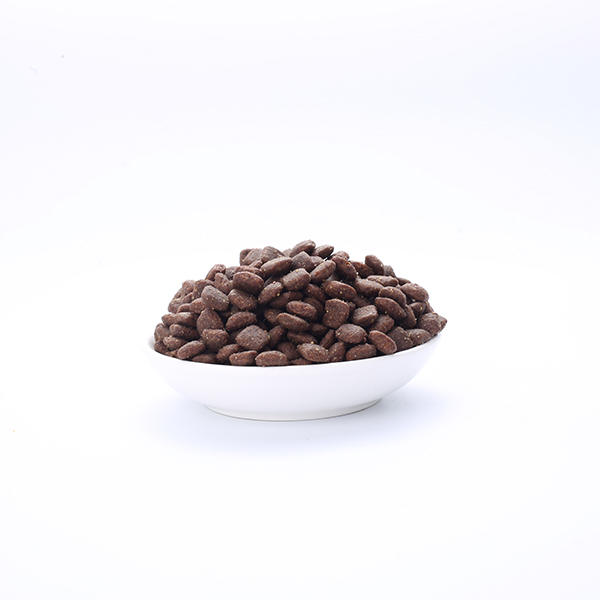
Average Cost Per Unit
You want to know how much it will cost to create your own personalized pet food. The average cost per unit for private label pet food usually falls between $1 and $5. This cost depends on the type of food, the quality of ingredients, and the size of your order. If you choose premium ingredients or special formulas, the cost will be higher. Standard dry food often costs less than wet food or freeze-dried treats. The pet food industry shows that premium products can cost more, but many pet owners are willing to pay for better nutrition.
Nuzoko helps you manage these costs by offering a wide range of options. You can select from high-protein cat food, balanced dog food, or freeze-dried treats. Nuzoko’s integrated facility and expert team make it easier for you to control costs while still getting high-quality products.
Price Range by Product Type
The cost of personalized pet food changes based on the product type. Dry food, wet food, and specialty formulas each have their own price range. You can see the differences in the table below:
Product Type | Price Range |
|---|---|
Dry Food | |
Wet Food | Commonly sold in 375g cans |
4health Shreds formulas are priced under $55 for a 35-pound bag.
Common dog wet canned food is available in 375g sizes.
Premium products in the pet food industry often cost more because they use better ingredients and have special packaging. Many pet owners want the best for their pets, so they choose these higher-priced options. The packaging for premium food can look like luxury human products, which also raises the cost. You may notice that the cost for personalized pet food is higher if you want unique formulas or functional benefits.
Nuzoko offers both standard and premium options. You can work with their team to find the right balance between cost and quality for your brand.
Minimum Order Quantities
When you start your own personalized pet food line, you need to think about minimum order quantities (MOQs). These are the smallest amounts you must order from the manufacturer. MOQs are not fixed. They change based on the type of food and your agreement with the supplier. Some brands need to order more if they want special formulas or packaging.
Here are some important points about MOQs:
MOQs can be flexible and depend on your needs.
Your agreement with the supplier will affect the MOQ.
Specialty products may require higher MOQs.
MOQs affect your overall cost. You must pay for enough inventory to cover 60 to 90 days of production. This means you need a larger initial investment, which can impact your cash flow. For example, if you choose human-grade chicken as an ingredient, the unit cost can reach $2,500 per unit. You need to plan for these costs before you start selling your personalized pet food.
Nuzoko supports you by offering flexible MOQs and helping you manage your inventory. Their team works with you to find the best solution for your business. You can rely on their experience in the pet food industry to guide you through the process.
Tip: Always ask your supplier about MOQs and how they affect your total cost. This helps you avoid surprises and plan your budget better.
Key Factors Affecting Petfood Costs
Ingredient Quality and Sourcing
You need to look at ingredient quality and sourcing when planning personalized pet food. Higher quality ingredients raise production costs. Ethical sourcing practices add costs because you must pay for certifications and compliance. Global supply chains make ingredient costs go up since you need transparency. Ingredient shortages can delay production and increase costs. You see big differences in ingredient costs based on the type and source. For example, feed-grade ingredients cost $0.50 per pound, while humanely raised meats cost $3.00 per pound. The wholesale price of USDA inspected chicken is $0.71 per pound, but free-range chicken can cost $3.35 per pound. Manufacturers using human-grade ingredients face cost increases of up to 2,376% compared to feed-grade ingredients. You must choose ingredients that fit your budget and your pet’s needs. Nuzoko helps you source high-quality ingredients and ensures you get the best value for your personalized pet food.
Ingredient Type | Cost per Pound |
|---|---|
Feed Grade/Pet Grade/Inedible Ingredients | $0.50 |
Food Grade – Factory Farmed meats | $2.00 |
Food Grade – Humanely raised meats | $3.00 |
Tip: Ingredient costs change quickly. Always check with your supplier for the latest prices.
Manufacturing and Supplier Choice (Nuzoko)
Your choice of manufacturer affects the cost and quality of personalized pet food. Brands can customize product specifics like packaging and formulation, which changes pricing. Nuzoko offers flexible production capabilities. You can maintain competitive pricing and ensure quality. Compliance with safety regulations adds 10-15% to production costs. Nuzoko’s integrated facility helps you manage these costs and ensures your personalized pet food meets international standards. You get support for sourcing, formulation, and packaging, which makes it easier to control costs.
Packaging and Compliance
Packaging and compliance play a big role in the final cost of personalized pet food. Manufacturers must meet strict packaging standards. Failures in packaging or non-compliance can lead to recalls, legal penalties, and damage to your brand. Maintaining quality control and following regulations like ISO, HACCP, and GFSI is essential. Private-labeling reduces R&D and testing costs because you use existing formulations. You save on compliance expenses by not managing in-house production. Larger production volumes lead to lower per-unit costs. Nuzoko helps you ensure quality and compliance, so your personalized pet food stays safe and trusted.
Note: Packaging and compliance costs protect your brand and build consumer trust.
Cost to Start a Pet Food Business
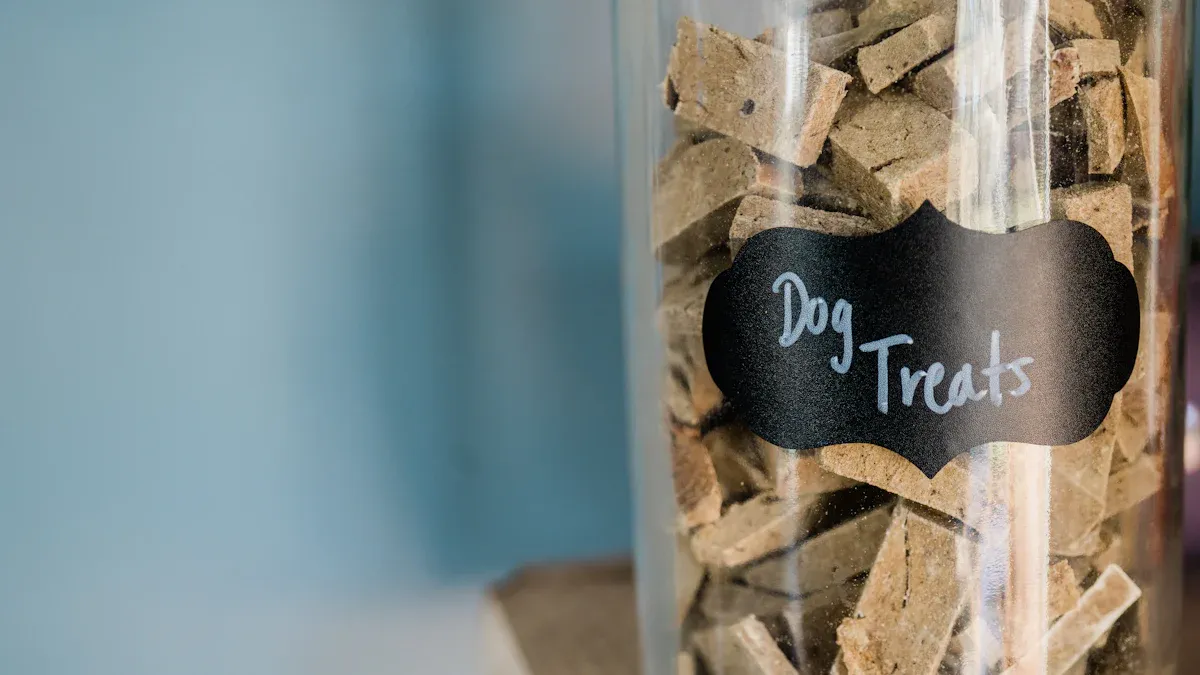
Upfront Investment Breakdown
When you start a petfood brand, you need to plan for initial costs. The cost to start a pet food business can range from $10,000 to $500,000 or more. You see this wide range because your business model and scale affect costs. If you want to run a large manufacturing operation, your initial capital expenditure can reach $710,000. Smaller brands spend less, but you must still cover equipment, facility setup, and inventory. You need to scale production to reach profitability. For example, you may need to produce 43,000 units in your first year and grow to 190,000 units over time. Controlling the cost of goods sold is important. This cost makes up about 70% of your sale price. Managing these costs helps you improve your margins.
Initial costs range from $10,000 to $500,000+
Large-scale manufacturing can require $710,000 in capital
Scaling production increases profitability
Cost of goods sold is about 70% of sale price
Nuzoko helps you manage initial costs by offering flexible solutions. You can choose from standard or custom options to fit your budget.
Product Development and Formulation
You need to invest in product development when starting a pet food business. The cost depends on your approach. Private labeling is less expensive than custom manufacturing. You pay for research, formulation, and testing to create personalized pet food. Nuzoko’s expert team supports you with R&D and tailored recipes. You can see typical costs in the table below:
Approach | Cost Range |
|---|---|
Private Labeling | $5,000 – $15,000 |
Custom Manufacturing | $10,000 – $25,000+ |
Nuzoko helps you develop food that meets pet nutrition standards. You get support for both cats and dogs, including functional formulas and premium treats.
Regulatory and Certification Fees
You must follow strict regulations when starting a pet food business. Regulatory and certification fees add to your initial costs. You pay for safety testing, labeling, and compliance with international standards. These costs protect your brand and build trust with pet owners. Nuzoko guides you through compliance and certification. You get help with sourcing, documentation, and quality assurance. This support makes it easier to launch personalized pet food that meets all requirements.
Tip: Plan for regulatory fees early. This helps you avoid delays and ensures your food is safe for pets.
Monthly Running Cost and Ongoing Expenses
Production and Reorder Costs
You need to track your production and reorder costs each month. These costs include making new batches of personalized pet food and restocking your inventory. The total monthly running cost depends on how much food you sell and how often you need to reorder. If you use high-quality protein or special ingredients, your expenses will be higher. You also pay for quality control and testing to make sure your petfood is safe. Many brands spend more on personalized pet food because they want to offer better nutrition for pets.
Here is a table that shows common expenses you might see each month:
Expense Type | Description | Typical Monthly Cost Range |
|---|---|---|
Quality Control & Testing | Covers mandatory lab testing and batch-level QC for safety and compliance. | Varies by testing frequency and batch size. |
Marketing (CAC) | Variable spend to acquire customers, including ads and promotions. | Varies by launch stage and channel mix. |
Warehouse Lease | Fixed cost for fulfillment space, affecting scaling and shipping costs. | Varies by location and service level. |
Salaries / Wages | Fixed payroll obligations that scale with hiring. | Varies by headcount and location. |
Protein Sourcing | Primary raw-material cost that scales with subscription volumes. | Varies by protein mix and order cadence. |
Logistics, Storage, and Distribution
You must manage logistics, storage, and distribution to keep your personalized pet food business running smoothly. Choosing the right third-party logistics partner helps you control costs and meet regulations. Good logistics support lets you scale your pet food business as demand grows. You can test new personalized pet food products and adjust your orders without spending too much. This flexibility keeps your total monthly running cost low and helps you avoid extra expenses. Efficient storage and distribution also protect the quality of your food and make sure pets get fresh meals.
Note: A strong logistics plan helps you adapt to market changes and keeps your ongoing expenses predictable.
Managing Costs with Nuzoko
You can lower your monthly running cost by working with a partner like Nuzoko. Nuzoko offers support for logistics, procurement, and inventory management. Their team helps you find the best suppliers for personalized pet food ingredients and negotiates prices to keep your costs down. Nuzoko’s integrated services make it easier to manage food production, storage, and shipping. You get help with compliance and quality control, which reduces the risk of unexpected expenses. With Nuzoko, you can focus on growing your pet food brand while keeping your total monthly running cost under control.
Tips to Control Private Label Petfood Costs
Negotiating with Suppliers
You can lower your cost for personalized pet food by negotiating with suppliers. When you buy more pet food, you gain better terms and reduce costs. Creating your own product line gives you more power in negotiations. Using a global sourcing platform increases your supplier options and helps you find the best price. Nuzoko supports you by offering access to a broad supplier network and helping you negotiate for premium petfood ingredients. This approach lets you keep costs down while maintaining quality.
Tip: Ask suppliers about volume discounts and compare prices from different sources. This helps you get the best deal for your personalized pet food.
Optimizing Order Size and Inventory
Managing your order size and inventory helps you control costs for personalized pet food. You can use automation to track inventory and reduce mistakes. Assign someone to oversee inventory so you avoid waste. Sharing sales data with suppliers improves collaboration and makes your food offerings stronger. Follow the 10% rule by removing underperforming pet products. Sell older stock first to keep food fresh. Use a flagging system to monitor sell-by dates. Adjust inventory based on market trends and seasonal changes. Nuzoko’s integrated logistics and warehousing services help you optimize inventory and keep costs predictable.
Inventory Practice | Benefit |
|---|---|
Automation | Reduces errors |
Dedicated manager | Improves efficiency |
Data sharing | Enhances supplier collaboration |
First-in, first-out | Maintains freshness |
Balancing Quality and Budget
You can balance quality and budget for personalized pet food by following best practices. Start with market research to understand what pet owners want. Choose vet-approved materials and test your food with third-party labs. Work with reliable suppliers who have certifications. Build strong branding and packaging to attract buyers. Make sure your food meets regulatory standards. Test products and gather feedback before large production. Plan marketing and distribution to boost sales. Monitor performance and adjust your petfood line as needed. Nuzoko helps you maintain high standards while controlling costs, offering flexible solutions for both quality and budget.
Note: You do not need to sacrifice quality to manage costs. Smart planning and trusted partners like Nuzoko help you deliver safe, nutritious food for pets.
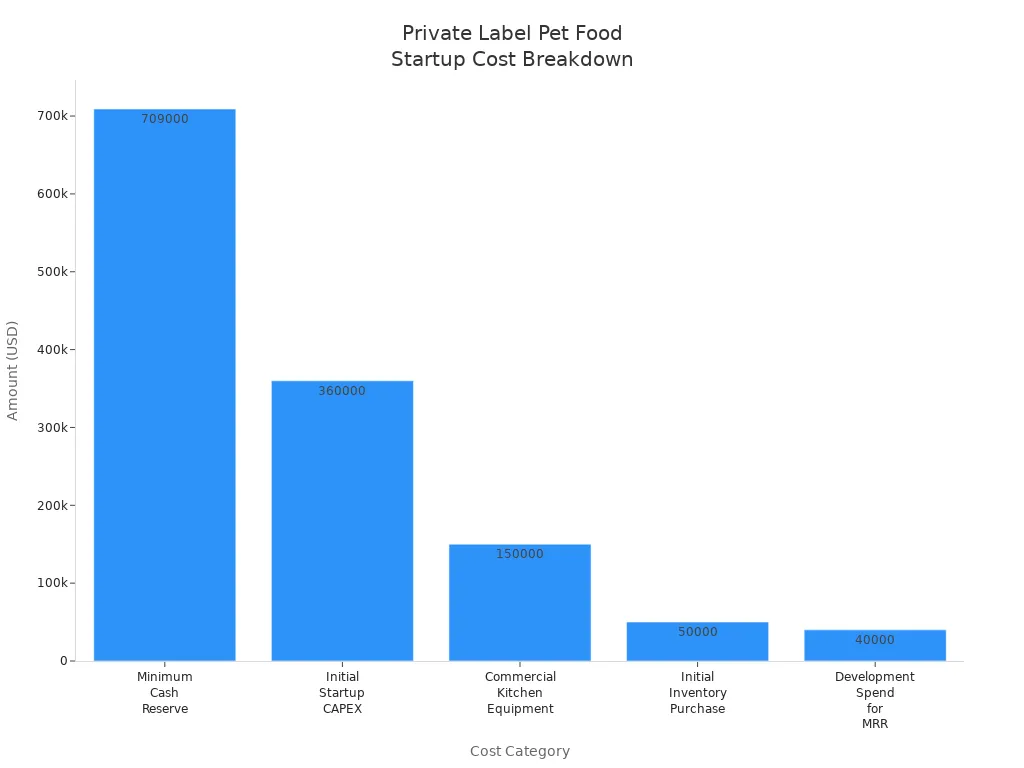
You now know the main costs for starting a private label petfood brand. Most brands spend between $1 and $5 per unit. You should plan for startup costs like equipment, inventory, and marketing. The table below shows common cost categories:
Cost Category | Amount |
|---|---|
Minimum Cash Reserve | $709,000 |
Initial Startup Capital Expenditures (CAPEX) | $360,000 |
Investment in Commercial Kitchen Equipment | $150,000 |
Customer Acquisition Cost (CAC) | $75/customer |
Initial Inventory Purchase | $50,000 |
Development Spend for Predictable MRR | $40,000 |
You can contact Nuzoko for a custom quote that fits your needs. Download a cost checklist to help you plan. Start your journey and bring your petfood brand to life.
FAQ
How much does it cost to start a private label pet food brand?
You usually need $10,000 to $500,000 to launch your brand. The amount depends on your product type, order size, and supplier. Nuzoko offers flexible solutions to help you manage your budget.
What is the minimum order quantity for private label pet food?
Most suppliers set minimum order quantities. You may need to order enough for 60 to 90 days of sales. Nuzoko can offer flexible MOQs based on your needs.
Can I customize pet food formulas with Nuzoko?
You can create custom recipes for cats and dogs. Nuzoko’s team helps you design formulas for different life stages or health needs. You get support with research and development.
What ongoing costs should I expect?
You pay for production, inventory, logistics, and marketing each month. Quality control and compliance add extra costs. Nuzoko helps you manage these expenses with integrated services.
How do I ensure my pet food meets safety standards?
You must follow strict regulations and test your products. Nuzoko supports you with compliance, certification, and quality assurance. You get guidance to keep your food safe and trusted.



