

You can shape your own brand with private label pet food manufacturing. This approach lets you create pet products that match your vision and meet customer needs. The pet food market continues to expand, driven by rising pet ownership, higher spending on pet health, and the humanization of pets.
The global market size is projected to reach $24.41 billion by 2033, fueled by innovation and supply chain modernization.
Private label growth offers you a strong path to enter this dynamic space. Partner with nuzoko to unlock global opportunities.
Key Takeaways
Private label pet food manufacturing allows you to create unique products that reflect your brand vision and meet customer needs.
Partnering with experienced manufacturers like nuzoko can streamline the process, ensuring compliance with safety standards and quality control.
Effective branding and packaging are crucial for standing out in the pet food market; consider using storytelling and eco-friendly designs.
Quality assurance through rigorous testing and adherence to regulations builds trust with customers and ensures product safety.
The private label pet food market is rapidly growing; leveraging this trend can lead to increased profit margins and brand loyalty.
Private Label Pet Food Process
Concept & Recipe Development
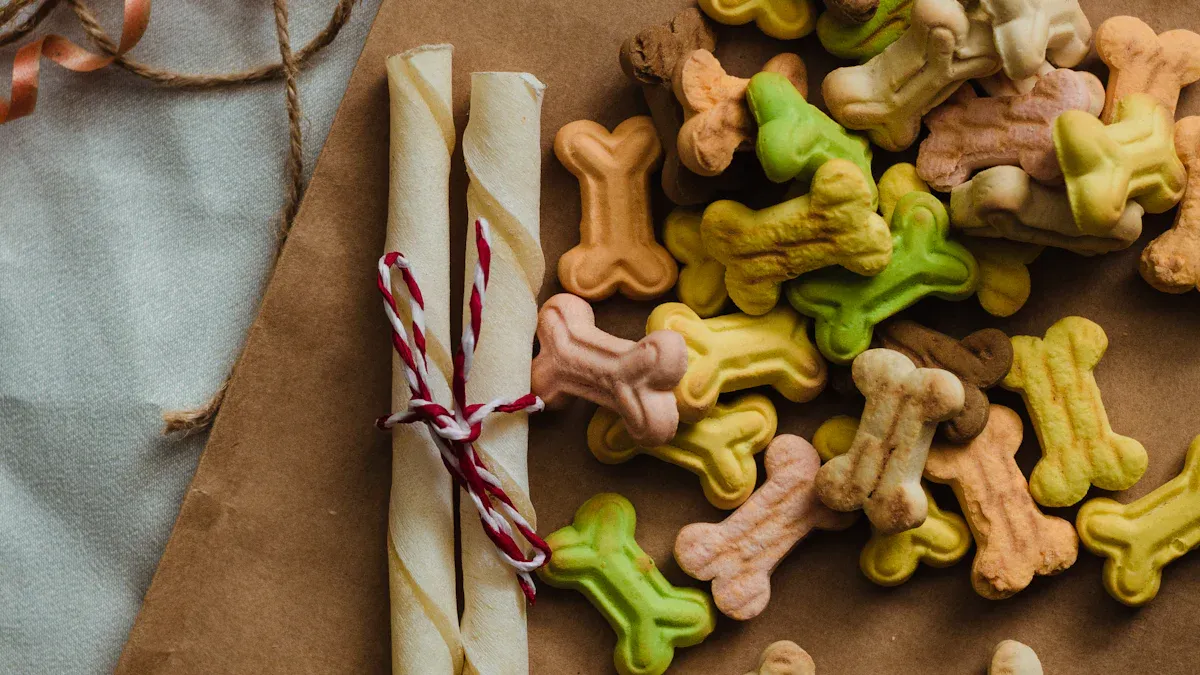
You start your private label pet food journey by shaping the concept and recipe. This stage sets the foundation for your brand. You work with experts to choose ingredients that meet the needs of cats or dogs at different life stages. Leading manufacturers like nuzoko use a science-driven approach. They follow guidelines from organizations such as AAFCO and the World Small Animal Veterinary Association. These standards ensure your recipes are complete and balanced.
Category | Details |
|---|---|
Regulatory Compliance | Must comply with AS5812:2017 (Australia and New Zealand) and local standards in Gulf countries. |
Testing and Validation | Includes shelf-life testing, palatability studies, nutritional adequacy testing, and safety testing. |
Recipe Development | Focus on species- and life stage-specific formulations that meet AAFCO/FEDIAF nutrient profiles. |
Sustainability Integration | Emphasizes clean label, organic options, and recyclable packaging. |
Market Launch Support | Involves pilot production scaling and technical documentation for compliance. |
Nuzoko’s integrated facility supports you through every step. You get access to research and development teams who help you create recipes that pass nutritional and safety tests. This process matches what top competitors offer, but nuzoko adds a global perspective and deep regulatory knowledge.
Branding & Packaging
Branding and packaging help your product stand out in the pet food market. You can choose from many strategies to connect with pet owners. Some brands use interactive packaging that entertains pets and owners. Others prefer minimalist designs for a modern look. Storytelling elements, such as illustrations or brand stories, create emotional bonds with customers. You can also offer seasonal or limited-edition packaging to build excitement.
Tip: Multi-use packaging adds value and reduces waste, making your brand more appealing to eco-conscious buyers.
Packaging does more than protect your product. It shapes how customers see your brand. Easy-to-open designs and resealable closures improve the user experience. Clear labeling builds trust by showing exactly what is inside. Consistent branding helps customers recognize your products on the shelf. Premium packaging signals high quality and can increase sales.
Production & Quality Control
Production is where your private label pet food comes to life. Nuzoko’s 26,000-square-meter facility uses advanced manufacturing technology to ensure quality and safety. The process follows strict steps, similar to those used by leading global manufacturers.
Stage | Description |
|---|---|
Supplier approval & incoming checks | Verify safety, composition, consistency. |
Grinding & sieving | Achieve uniform particle size. |
Batching & mixing | Ensure precise formulation. |
Hydration & preconditioning | Hydrate starches before extrusion. |
Cooking & forming | ‘Kill step’ for pathogens, shaping via extruder. |
Drying | Reduce moisture to prevent spoilage. |
Cooling | Stabilize before coating/packaging. |
Coating | Apply fats/flavors/preservatives. |
Packaging | Ensure barrier and shelf life. |
Quality control is key at every stage. You benefit from ingredient analysis, microbiological safety checks, and monitoring for heavy metals or toxins. Nuzoko uses Good Manufacturing Practices and advanced food safety plans. The facility tracks every batch for traceability. This reduces recall risks and ensures only safe products reach your customers.
Quality Control Measure | Description |
|---|---|
Ingredient Analysis | Testing for nutrients, microbiological safety, heavy metals, and mycotoxins. |
Manufacturing Quality Control | Monitoring processes, implementing HACCP, and ensuring kill-steps for pathogen control. |
Packaging and Storage Controls | Inspecting packaging integrity and monitoring storage conditions. |
Regulatory Compliance | Adhering to AAFCO and FDA standards, ensuring proper labeling and transparency. |
Logistics & Distribution
Once your product is ready, you need to deliver it to customers worldwide. Logistics and distribution can be complex, especially for brands in growth mode. Nuzoko helps you manage this process with global logistics support and advanced tracking systems. You can choose cost-effective transport options, such as sea freight, and define clear responsibilities using Incoterms.
Inventory control systems help you balance supply and demand.
ERP and forecasting tools improve inventory management.
Just-In-Time practices reduce storage costs while keeping enough stock for orders.
Note: Effective logistics protect your brand from costly recalls and shipment delays.
Many companies struggle with tracking shipments or managing expenses when outsourcing logistics. Nuzoko’s integrated approach gives you better control and transparency. This support helps you compete with top industry players and ensures your private label pet food reaches markets safely and efficiently.
Benefits of Private Label Growth
Brand Customization
You can shape your own identity in the pet food market with brand customization. You choose the ingredients, packaging, and messaging that fit your vision. High-quality ingredients and innovative packaging help you build trust with pet parents. You can create custom products for niche markets, such as grain-free or high-protein nutrition. Custom formulation lets you respond quickly to trends and customer needs. You keep control of your brand and work with partners like nuzoko to bring your ideas to life. You do not need to own a factory to launch a unique pet food brand.
You can:
Develop exclusive branding and packaging.
Launch products faster than traditional brands.
Own your custom recipes and keep your brand’s credibility.
Market Differentiation
You stand out from other pet food brands by focusing on what makes your products special. Education is key. You help pet parents understand the value of your nutrition and custom recipes. Your packaging should catch the eye and your message should be clear.
Education on your product is crucial for differentiation. When competing with private-label brands, it’s essential to ensure that your packaging is compelling and that your messaging is meaningful. Brands must engage with pet parents to clarify their unique value and avoid confusion with private-label products.
You can use social media to connect with customers and share your story. This approach helps you build loyalty and respond to market changes.
Quality Assurance
You want every bag of pet food to be safe and nutritious. Top manufacturers follow strict rules, such as Good Manufacturing Practices and AAFCO standards. They test ingredients for safety and nutrition before production. Nuzoko uses certified plants and third-party audits to ensure quality. You benefit from ongoing checks and independent testing. This gives you peace of mind and builds trust with your customers.
Profit Margins
You can earn more with private label pet food. Lower production costs and custom control over your supply chain increase your profit margins. You can focus on marketing and growing your business while your manufacturing partner handles the rest.
Benefit | Description |
|---|---|
Increased Profitability | Higher profit margins due to lower production costs compared to national brands. |
Brand Exclusivity and Control | Full control over branding and unique product characteristics that align with brand values. |
Faster Time to Market | Ability to launch products quickly and respond to market trends effectively. |
Assured Quality and Safety | Collaboration with certified manufacturers ensures product safety and consistent quality. |
Focus on Marketing and Growth | Allows brands to concentrate on marketing and expanding sales channels while logistics are managed. |
The private label pet food market is growing fast. From 2025 to 2035, the market value is expected to rise from $2.5 billion to over $12 billion. The compound annual growth rate will reach 68.7% between 2030 and 2035. You can join this growth by working with a global partner like nuzoko, who offers premium nutrition and custom solutions for your brand.
Year Range | Market Value (USD) | Growth (USD) | CAGR (%) |
|---|---|---|---|
2025-2030 | 2,547.2 million to 5,584.5 million | 3,037.3 million | 31.3% |
2030-2035 | 5,584.5 million to 12,243.8 million | 6,659.3 million | 68.7% |
Challenges in the Pet Food Market
Regulatory Compliance
You must follow strict rules when you make private label pet food. Each country has its own laws for pet food. In the United States, you need to follow AAFCO guidelines. In India, you must meet IS 11968:2019 standards. These rules cover labeling, documentation, and the types of ingredients you can use. You also need to focus on safety. If you miss a step, you could face recalls or fines.
Challenge Area | Example of Challenge | Impact |
|---|---|---|
Microbiological Safety | Poor hygiene causing E. coli | Contamination, recalls |
Chemical Contaminants | Pesticide residue above limits | Health risks |
Documentation & Records | Missing batch nutrition profiles | Regulatory scrutiny |
You should keep good records and test your products often. This helps you show that your food is safe and meets all rules.
Quality Consistency
You want every bag of pet food to have the same high quality. This means you need strong quality control at every step. You must check your ingredients for freshness and safety. You also need to test for things like bacteria and toxins. If you skip these steps, you risk recalls and losing customer trust.
Use batch testing to spot problems early.
Track every batch for full traceability.
Train your team to follow safety rules.
Quality control helps you deliver safe food every time.
Cost Management
You face rising costs for materials, labor, and equipment. The price of grains and other key ingredients can go up by 20% or more. You need smart strategies to keep costs down.
Strategy | Description |
|---|---|
Reduce Variable Overhead | Lower labor and packaging costs. |
Optimize Inventory Turnover | Move raw materials quickly to boost cash flow. |
Manage Direct Material Costs | Negotiate better prices and lock in deals with suppliers. |
You can also order ingredients in smaller batches and focus on products that sell quickly.
Supply Chain Issues
You may struggle to get the supplies you need. Supply chain disruptions can cause shortages, higher prices, and delays. These problems grew during the pandemic as demand for pet food increased.
Ingredient shortages and shipping delays are common.
Higher cargo costs and customs delays slow down delivery.
Economic changes can make prices jump.
To solve these problems, you can use ERP tracking, predictive analytics, and smart sourcing networks. Building strong relationships with suppliers and considering local sources can also help you keep your business running smoothly.
Choosing Pet Food Manufacturers
Selection Criteria
You need to choose pet food manufacturers who meet strict standards. Look for private label manufacturers with strong credentials and a history of reliable pet food sales. Nuzoko stands out with FDA compliance, SQF Food Safety Code, and GMP standards. These certifications show that the manufacturer follows best practices and meets global requirements.
Description | |
|---|---|
Quality Standards | Clear processes for ingredient sourcing and testing. |
Transparency | Open communication and involvement in production. |
Communication | Regular updates and realistic timelines. |
Innovation | Ability to adapt to trends and offer new products. |
Capacity | Can meet your production needs and scale with growth. |
Pricing | Value over cost, ensuring quality ingredients and processes. |
Top private label manufacturers like nuzoko and other global leaders use these criteria to support pet food sales and build trust.
Questions for Partners
You should ask important questions before you choose a partner for pet food sales. Here are some key questions:
Do you employ a full-time qualified nutritionist?
What is this nutritionist’s name and qualifications?
Who formulates your diets and what are their credentials?
Are your diets tested using AAFCO feeding trials or by formulation to meet AAFCO nutrient profiles?
What kind of product research has been conducted?
Are the results published in peer-reviewed journals?
These questions help you find private label manufacturers who can support your pet food sales goals.
Vetting Tips
You must vet pet food manufacturers carefully. Follow these best practices:
Verify manufacturer credentials and licenses.
Request samples to check product quality.
Evaluate production capacity and lead times.
Nuzoko provides samples and transparent documentation. You can see their achievements and certifications, which help you make informed decisions for pet food sales.
Transparency & Communication
Transparency builds trust between you and private label manufacturers. Open communication keeps you informed about production timelines, testing results, and any issues. This approach helps you maintain quality and meet deadlines. Nuzoko welcomes questions and shares updates, which supports your pet food sales and long-term success.
Tip: Choose partners who value transparency and keep you involved in every step.
Launching Your Private Label Pet Food Brand
Product Development
You begin your private label manufacturing journey with product development. You define your goals and target market. You work with food scientists to create recipes that deliver nutrition for pets. You focus on ingredient sourcing to ensure quality and safety. Nuzoko’s OEM/ODM solutions help you with formulation and pilot production. You test batches to check consistency and adjust recipes as needed. You select ingredients for private label dog food or private label cat food. You can choose organic pet food options to meet market demand. You use manufacturing expertise to scale up production and maintain high standards.
Branding Strategy
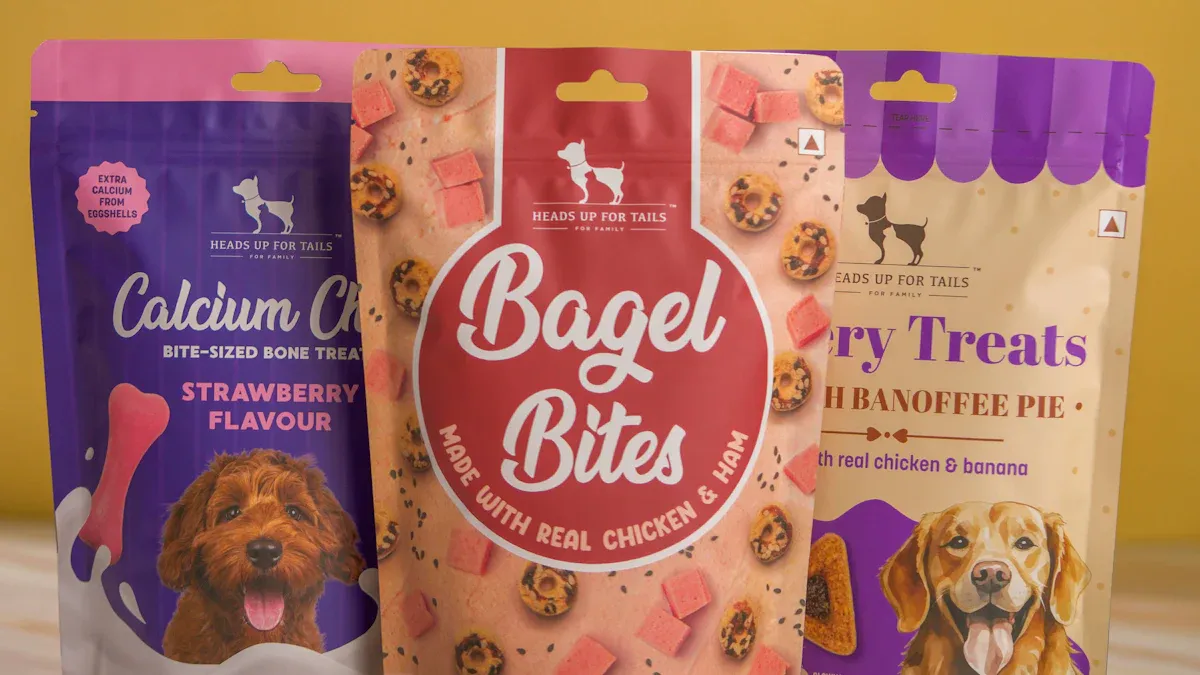
You build your brand identity with private label manufacturing. You design packaging that stands out and tells your story. You use clear labeling to show nutrition facts and ingredient sourcing. You select colors and logos that connect with pet owners. Nuzoko supports you with packaging design and logistics. You can offer organic pet food to attract health-conscious buyers. You create messaging that highlights your unique value. You use manufacturing partners to ensure your branding matches your vision.
Tip: Consistent branding helps customers recognize your pet food brands and builds loyalty.
Regulatory Approval
You must follow regulations for private label manufacturing. You prepare documentation and labels that meet local and international standards. You test products for safety and nutrition. Nuzoko helps you with compliance and quality control. You use ingredient sourcing records to show traceability. You work with manufacturing teams to pass audits and inspections. You check that your private label manufacturing meets AAFCO, FDA, and other requirements. You keep records for every batch and update them as needed.
Marketing & Distribution
You launch your products with a strong marketing plan. You use private label manufacturing to create unique offerings. You highlight nutrition and ingredient sourcing in your promotions. You partner with nuzoko for global logistics and distribution. You track inventory and shipments with advanced systems. You reach new markets with private label manufacturing and expand your product line. You use social media and retail channels to connect with customers. You offer samples and engage with pet owners to build trust.
Note: Efficient manufacturing and sourcing help you deliver products on time and grow your business.
Key Steps to Launch Your Brand:
Initial consultation and strategy
Formulation and product development
Pilot production and validation
Commercial-scale manufacturing
Packaging and labeling
You use nuzoko’s expertise in manufacturing, ingredient sourcing, and formulation to launch your private label pet food brand successfully.
Private label pet food manufacturing gives you control over your brand and product quality. You can customize recipes, packaging, and marketing. Nuzoko supports you with science-driven solutions and global logistics. If you want to launch your own pet food brand, start by researching market trends and contacting trusted manufacturers.
Explore industry reports and regulations.
Schedule a consultation with nuzoko.
Request samples and review certifications.
Stay informed and connect with experts to grow your business.
FAQ
What should you look for when choosing pet food manufacturers?
You should check certifications, production capacity, and quality control. Pet food manufacturers must show strong safety records. Ask about their experience with manufacturing. Review their client list. Reliable pet food manufacturers will answer your questions and provide samples.
How do pet food manufacturers ensure product safety?
Pet food manufacturers use strict testing and quality checks. They follow safety standards during manufacturing. You can ask for test results. Pet food manufacturers track every batch. This process helps you avoid recalls and keeps pets safe.
Why is private label manufacturing a good choice for new brands?
Private label manufacturing lets you launch products quickly. You do not need your own factory. Pet food manufacturers handle production. You focus on branding and sales. This approach saves money and helps you grow your business.
How do pet food manufacturers help with regulatory compliance?
Pet food manufacturers know the rules for each market. They prepare documents and labels. During manufacturing, they test for safety and nutrition. You get support with audits and inspections. Pet food manufacturers help you meet all legal requirements.
Can pet food manufacturers support global distribution?
Yes, many pet food manufacturers offer global shipping. They manage logistics and customs. Manufacturing partners like nuzoko use advanced tracking. You can reach new markets with their help. Pet food manufacturers make worldwide sales easier for your brand.



