

Strict quality control at each step helps stop problems in petfood making. You need to think about safety and test often. Even small mistakes can cause recalls. For example, 8% of petfood recalls happen because of cGMP violations. International rules say you must test raw materials. You also need to watch production lines and check finished products. Nuzoko does these things and follows world rules like AAFCO, FEDIAF, and ISO. When you use new tools and follow clear steps, you keep pets safe and give them good food.
Key Takeaways
Pick suppliers you trust and check them often to make sure ingredients are safe.
Use Good Manufacturing Practices and Hazard Analysis Critical Control Points to keep production standards high.
Test all ingredients and finished products carefully to find problems early.
Teach workers about hygiene and safety rules to stop contamination and keep products good.
Keep clear records for all ingredients to follow rules and help with recalls if needed.
Sourcing Safe Ingredients
Supplier Audits
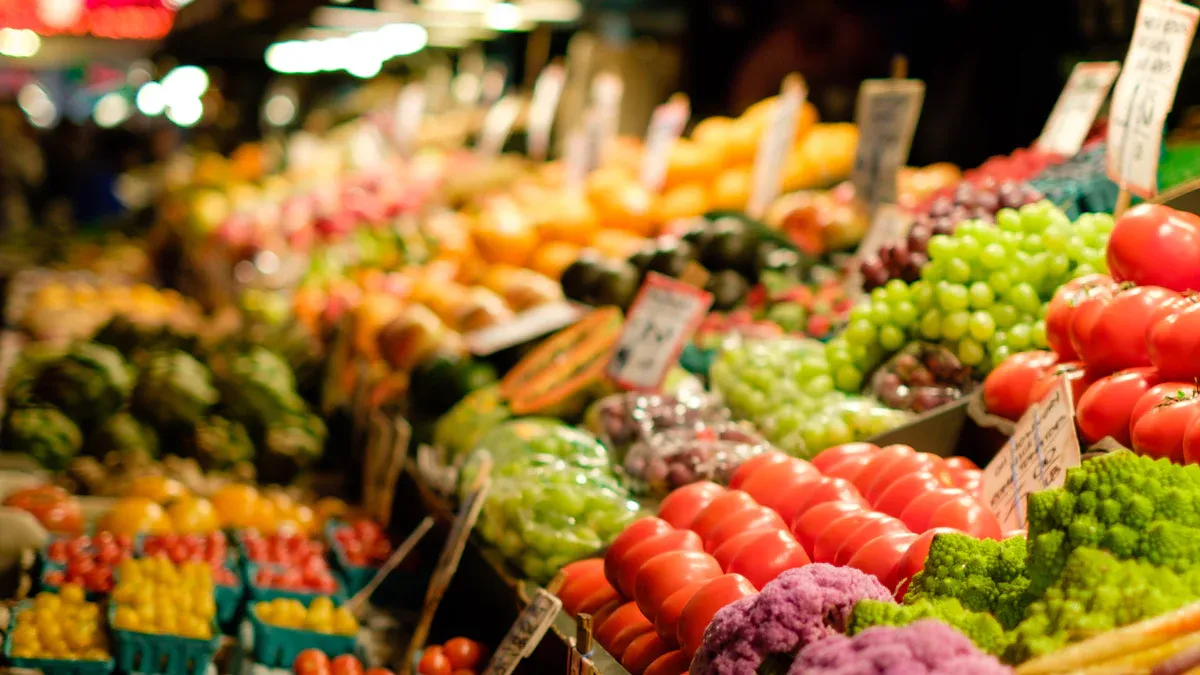
You must pick each ingredient carefully. Only work with suppliers you trust. Nuzoko checks suppliers with a strict process. You should do this to keep ingredients fresh and safe. Regular audits help you see if suppliers follow safety rules. These audits can be done by regulators or other groups. Look for certifications like ISO 22000 or SQF. These show the supplier cares about keeping ingredients stable and fresh.
Tip: Check your suppliers at least once every year. If you find problems, check them more often. Always keep records for each ingredient. Give each batch a special code and track where it goes. This helps you find any problem and keep ingredients safe.
You also need systems like Hazard Analysis and Critical Control Points. This system helps you find dangers and set up controls. Nuzoko’s global sourcing means you get ingredients that meet high standards for safety and freshness.
Ingredient Testing
Testing every ingredient is important for petfood safety. When a new batch comes in, teams take samples. They test for things like pesticides, heavy metals, and germs. This keeps ingredients safe and fresh.
Here are the most common contaminants found in pet food ingredients:
Contaminant Type | Description |
|---|---|
Includes germs like Listeria, E. Coli, and Salmonella that can make pets and people sick. | |
Chemical | Includes mycotoxins, heavy metals, and pesticides that can happen naturally or from contamination. |
You should also check for aflatoxins, deoxynivalenol, and fumonisin. These toxins can hurt pets and make ingredients less fresh and stable.
Use different tests to check ingredient quality:
Microbiological testing for Salmonella and E. coli
Heavy metals screening for lead and arsenic
Mycotoxin detection for aflatoxins
Nutritional testing for protein, fat, vitamins, and minerals
NIR analysis for quick checks on nutrition
E-nose and E-tongue for freshness and taste
Nuzoko’s rules make sure every ingredient meets strict standards for safety and freshness. This keeps petfood safe and helps pets stay healthy.
Pet Food Processing Standards
You need strong pet food processing standards to keep every batch safe. Nuzoko uses an advanced facility that follows strict rules for quality. These rules help you avoid contamination and keep your production smooth. When you follow these standards, you protect pets and build trust with your customers.
Good Manufacturing Practices (GMP)
GMP gives you a clear path for safe pet food processing. You must use the right equipment and keep your work area clean. Here are the key parts of GMP for pet food processing:
Use HACCP and FSMA to find and control hazards in your production.
Choose equipment that is easy to clean and does not cause contamination.
Clean fats and oils well and keep them at the right temperature to stop bacteria.
Watch for workplace hazards from machines and materials during production.
You should check each step in your pet food processing line. This helps you spot problems early and keep your standards high. Nuzoko’s team uses these practices every day to make sure each product is safe.
Tip: Set up a cleaning schedule for all equipment. This keeps your production area safe and reduces the risk of contamination.
HACCP Hazard Controls
HACCP is a system that helps you control hazards in pet food processing. You use it to find risks and set up controls at each stage of production. Nuzoko follows HACCP to meet international standards and keep products safe.
HACCP Principle | Description |
|---|---|
1. Hazard Analysis | Find hazards that could harm food safety in your production. |
2. Critical Control Points (CCPs) | Pick points where you can stop or remove hazards. |
3. Critical Limits | Set safe limits for each control point. |
4. Monitoring Procedures | Check each control point often. |
5. Corrective Actions | Fix problems fast if you see something wrong. |
6. Verification Procedures | Make sure your system works as planned. |
7. Record-Keeping | Write down every step and action you take. |
You need to use both GMP and HACCP in your pet food processing. This keeps your production safe and meets the highest standards. Nuzoko’s commitment to these systems helps you deliver safe, high-quality pet food every time.
Quality Control & Regular Testing
Quality control and regular testing help stop recalls. These steps keep your pet food safe. You need good systems at every stage. Nuzoko uses strict checks and tests for wet pet food. They use regular testing to make sure food is high quality. You can avoid recalls by checking each step. Inspection tools help find problems early. These steps protect your wet pet food from contamination. They help you avoid food recalls.
In-Process Checks
You must check your wet pet food while it is made. In-process checks help you find problems early. This helps you avoid recalls. You use good systems to watch mixing, cooking, and packaging. These checks keep your wet pet food safe. They help you avoid food recalls.
Here is a table showing common in-process checks:
Quality Control Check | Description |
|---|---|
Makes sure nutrients are spread evenly. Cooking destroys harmful bacteria. Temperature is checked often. | |
Metal Detection | Finds metal pieces that could hurt pets. Metal detectors are checked often. |
Weight Checks | Machines check package weight. Packages not in range are removed. |
You need to use tools like metal detectors and weight checks. These tools help you avoid recalls. They keep your wet pet food safe. Inspection systems check for contamination. They make sure your wet pet food meets quality standards.
Tip: Make inspection schedules for your lines. This helps you avoid recalls. It keeps your wet pet food safe.
Finished Product Testing
You must test your finished wet pet food before it leaves. Finished product testing helps you avoid recalls. It keeps your wet pet food safe. You use lab tests to check for bacteria, toxins, and nutrition. You need to check each batch. Use good systems to avoid food recalls.
Follow these steps for finished product checks:
Test samples for protein, fat, fiber, and moisture.
Use tests to check for bacteria like Salmonella and E. coli.
Do chemical tests to make sure food has no toxins.
Use metal detectors in pipes to stop metal contamination.
Use X-ray machines to find things like glass or bone.
Check records often to follow safety plans.
You need to use tools and checks to avoid recalls. Environmental checks help you find contamination risks. Lab tests check for germs and toxins in your wet pet food. These steps help you avoid recalls. They keep your wet pet food safe.
Note: Stick to set rules and specs. You must check each batch. Use good systems to avoid recalls. This helps you give high-quality wet pet food.
Nuzoko’s focus on quality and testing helps avoid recalls. They deliver safe wet pet food. You can use tools and checks to avoid recalls. This keeps your pet safe.
Packaging, Storage & Distribution Safety
Proper Packaging
You must pick the right packaging to keep petfood safe. Good packaging stops air and moisture from getting in. It also keeps pests out and protects food during shipping. Here are some packaging materials that work well:
Glass containers block air and odors. You can clean them easily. They are good for cold storage.
BPA-free plastic containers are light and strong. Make sure they are food-grade. They need tight lids.
Silicone bags or containers are flexible and safe. You can use them many times. They are good for the environment.
Vacuum seal bags take out air. They help stop freezer burn. They keep food fresh longer.
Pick packaging that fits your product type. This helps you stop spoilage and keeps food safe for pets.
Tip: Always check that packaging is sealed tight before shipping. This step stops leaks and keeps food fresh.
Safe Storage & Logistics
Safe storage and good logistics keep petfood from getting damaged. They also stop spoilage. You must control temperature and humidity in storage rooms. Here are some best practices:
Store refrigerated pet food between 32 °F and 40 °F.
Keep dry pet food in a cool, dry place. Make sure humidity is less than 50%.
Storage rooms should stay below 70 °F. They must be clean and pest-free.
Put feed bags off the floor. Keep them away from sunlight.
Use areas with good air flow for dry food.
Nuzoko uses global logistics and warehousing to keep products safe during transport. You should watch for risks during shipping. The table below shows how logistics can affect food safety:
Factor | Impact on Shelf Life and Safety |
|---|---|
Keeps food safe and fresh. Bad temperatures spoil food quickly. | |
Supply Chain Optimization | Using first-expired-first-out (FEFO) cuts waste. It keeps food safe to eat. |
Cold Chain Integrity | Breaks in the cold chain spoil food. Food can become unsafe. |
Handling Practices | Rough handling can damage food. It shortens shelf life. |
Follow these steps to protect petfood quality. Good packaging, storage, and logistics keep food safe for every pet.
Regulatory Compliance
You have to follow strict rules to keep pet food safe. These rules help protect pets and stop expensive mistakes. You need to know the rules for each place you sell pet food. Always keep your manufacturing process updated.
International Standards
Regulatory groups make rules for pet food making. You must know which group sets rules in each area. Here is a table showing the main groups and what they do:
Regulatory Body | Role |
|---|---|
FDA | Checks pet food sold between states. Inspects imported products. Sets standards for feed contaminants. |
AAFCO | Makes ingredient definitions. Promotes safe feed supply. Does not have regulatory power. |
State Departments of Agriculture | Enforce state feed laws. Inspect products. Can stop sale of products that break rules. |
You also need to follow rules from groups like AAFCO and FEDIAF. These groups set different limits and standards for nutrients. For example:
FEDIAF sets energy standards for dogs and cats.
AAFCO guidelines are higher than NRC because of nutrient interactions.
FEDIAF limits copper in pet food to 28 mg/kg. AAFCO does not set a maximum.
You must check rules for each market. Update your formulas to meet these rules.
Documentation & Traceability
You need good records and traceability to follow rules. This helps you track every ingredient and product. Here is a table showing what you must record:
Requirement | Description |
|---|---|
Compliance | Write down how you track products. Show you meet rules. |
Finished Product Traceability | Make sure finished products can be traced forward to the customer. |
Raw Materials Traceability | Ingredients must be traced back to the supplier. Include receipt dates. |
Reworked Products | Keep records for products that are reworked. |
Testing Effectiveness | Test your traceability system every year. Try it on different products and materials. |
You must use batch numbers for tracking. This helps you find when a product was made if you need to recall it. Test your tracking system every year. Good records help you prove you follow rules and keep pet food safe.
Tip: Keep clear records for every batch and ingredient. This makes checks easier and protects your business.
Staff Training & Hygiene
Training Programs
You need good training to keep your facility safe. Training helps your products stay high quality. Staff must learn how to handle ingredients the right way. They need to follow safety rules and spot problems early. Many companies use online classes and hands-on lessons. These teach staff about food safety. You should focus on cleaning, personal hygiene, and knowing about hazards. These topics help your team avoid mistakes that can make food unsafe.
Here is a table showing important parts of a good training program:
Training Focus | Purpose |
|---|---|
Teaches staff about food safety standards | |
Sanitation Procedures | Shows how to clean equipment and work areas |
Personal Hygiene | Explains how to keep germs out of the facility |
Hazard Awareness | Helps staff spot and report risks |
Standard Operating Procedures | Guides staff on correct steps for each task |
You should also make clear standard operating procedures, or SOPs. SOPs help everyone do the same steps every time. Give your team refresher training often. This keeps them up to date. It helps build a strong safety culture, even if nothing changes.
Hygiene Protocols
You must have strict hygiene rules for everyone at work. These rules stop germs and other dangers from getting into pet food. Staff should always wear clean clothes and use protective gear when needed. Washing hands often is very important. This is extra important after using the restroom or touching animals. Jewelry and loose items can fall into food. Staff should take them off or make sure they are secure before work.
Here are some important hygiene protocols:
Wear clean clothes every day.
Use protective gear, like gloves or hairnets, when needed.
Wash hands often and after key activities.
Remove or secure jewelry and personal items.
When you follow these steps, you protect your products and keep pets safe. Good hygiene and training work together to stop contamination. They also help your brand’s reputation.
Avoid Recalls & Continuous Improvement
Monitoring Systems
Strong monitoring systems help you stop recalls. They keep your products safe. These systems let you find problems early. You can fix them before customers get the product. Nuzoko uses teamwork and feedback to improve each step. You should watch important parts of your process. Review your data often. This helps you see patterns and fix problems quickly.
The table below shows why recalls happen and how to stop them:
Cause | How It Happens | How to Prevent It |
|---|---|---|
Undeclared Allergens | Mistakes in labels or supplier errors | Check labels, control allergens, and verify suppliers |
Foreign Material Contamination | Broken machines or human mistakes | Use metal detectors, X-ray scans, and check equipment often |
Pathogenic Bacteria | Bad cooking or poor cleaning | Follow food safety rules, cook food right, and test often |
Check your monitoring data every week. This helps you keep your quality high. You can avoid expensive mistakes. Using these systems protects your brand. It keeps pets safe.
Handling Complaints
Customer complaints help you learn and improve. You need a clear plan to handle them. Start by sorting complaints by how risky they are. High-risk complaints need a quick answer, usually in one day. Lower-risk complaints can be handled with a set schedule.
Here are good ways to handle complaints:
Make a system to sort complaints by risk: high, medium, or low.
Answer high-risk complaints in one day.
Use a flowchart to help your team follow each step.
Look at complaints often to find patterns.
Share what you learn with your team to help them train better.
Tip: Get everyone in your company involved. When all staff know about complaints, your team gets stronger and your quality improves.
Nuzoko uses customer feedback to make products better. You should do this too. It helps you stop future recalls. It keeps your manufacturing process strong.
You can stop quality problems in petfood making by using simple steps. First, get safe ingredients from trusted sources. Next, follow strict rules when making the food and test it often. Make sure your team is trained and always learning new things. Follow all the rules and keep checking your work. This keeps pets safe and your food high quality. Working with science-based brands like nuzoko gives you clear info and good teamwork. You also get new ideas to help your business. These things help you follow the rules and work better. Knowing what customers want and making your work easier builds trust. It also keeps your pet food fresh and safe.
FAQ
What is the most important step to avoid quality issues in pet food manufacturing?
You must check every step, from choosing ingredients to packaging. Regular testing and strong safety rules help you find problems early. This keeps your products safe for every pet.
How often should you test ingredients and finished products?
You should test each new batch of ingredients. Test finished products before shipping. Regular testing helps you catch problems before they reach customers.
Why is staff training important in pet food manufacturing?
Training helps your team follow safety rules. Well-trained staff can spot problems early. This keeps your products safe and high quality.
How do you handle a customer complaint about your pet food?
You should listen to the complaint and check your records. Sort the complaint by risk. Fix the problem quickly if it is serious. Use feedback to improve your process.



